Friday, August 24, 2018

Aerospace Engineering: What Does It Do And Accomplish?

Aerospace, the field of engineering concerned with developing aircraft and spacecraft, encompasses different areas ranging from flight technology to rocket science. Here’s a brief introduction to this field and why it matters in today’s world.

Image source: JustScience.in

Aerospace engineering deals with the design and building of machines that fly. It began in the 19th century with the first experiments in powered flight, and as technology improved, specialties surfaced in the form of aeronautical engineering (designing aircraft such as helicopters and gliders) and astronautical engineering (focusing on spacecraft design and development).

Note that the design of a flight vehicle demands knowledge of many engineering disciplines. It is rare that one person takes on the entire task. Instead, organizations hire design teams specializing in aerodynamics, structural design, propulsion systems, avionics, materials, and control systems. Compromised designs integrate the vehicle specifications as well as available technology and economic feasibility.

Aerospace engineering entails in-depth skills and technical understanding of math, physics, materials science, and aerodynamics. Professionals in this area should be familiar with advanced materials and are also increasingly reliant on computer-aided design (CAD) systems for design drafting and modification along with 3D visualization.

Governments are the usual clients of the aerospace industry, as most of these engineers work on designing military vehicles. The biggest demand also comes from transport, missile, spacecraft and general aviation industries. NASA, for instance, employs many of these specialists, and the recent space race among private firms like SpaceX fuel growth and demand for this expertise.
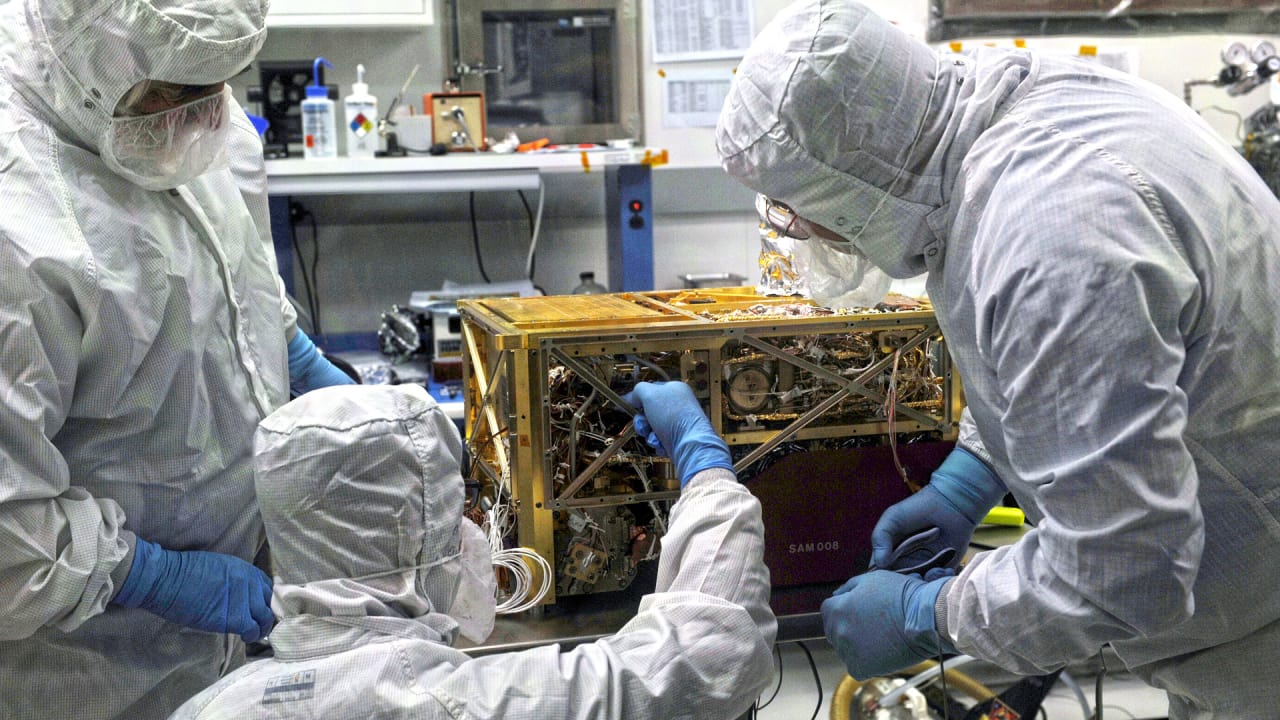
Image source: FastCompany.com

Peter Zieve is an inventor with 23 patents and the owner of an innovative business. He is the founder and CEO of Electroimpact Inc., a world leader in design and manufacturing of aerospace tooling and automation. The company is a highly experienced aerospace automation company with an exceptional concentration of engineers. Learn more on this page.

Thursday, June 28, 2018

Is There Room For Creativity In The World Of Stem?

Apart from the need for air, water, food, clothing, shelter, belonging, and intimacy, every person has the need for creativity. Humans are creative creatures as displayed in painted caves more than 40,000 years ago. With the need for more students to pursue STEM education, will this longing for creativity be filled?

Image source: edweek.org

Most people think there is little to no room for creativity in STEM for its nature being highly analytical. However, experts say that creativity is the secret sauce for fields such as science, technology engineering, and mathematics, which alters “STEM” to “STEAM” with the letter “A” for arts. Just like a special ingredient to one’s favorite meal, STEM without creativity would be lacking in flavor. Researchers observed that play is crucial for productive thought, and that playing with ideas increases learning.

Educators must encourage students to play with concepts to nurture creativity in them, as it offers them numerous entry points and countless ways of engagement. For STEM subjects to not be terrifying for not-so analytic students, teachers sometimes build metaphorical bridges that can help students find confidence in learning subjects they are not exactly gifted in.

Creativity is expressed and experienced in the classroom when metaphors are used effectively, as they are great tools for teaching and learning. The need to use figure of speech when describing scientific terms only proves that a huge chunk of STEM belongs to creativity. Scientists, teachers, and students can understand phrases that could otherwise be otherworldly because of metaphors, as these are thought-mappings. Educators and students must learn to be confident and comfortable with concepts to see and play with them in new ways.

Image source: creativeeducator.tech4learning.com

Peter Zieve is an inventor with 23 patents and the owner of an innovative business. He is the founder and CEO of Electroimpact, Inc., a world leader in design and manufacturing of aerospace tooling and automation. For more updates like this, subscribe to this blog.

Wednesday, May 2, 2018

Do Automation And Industrial Safety Go Hand-In-Hand?

Image source: fujidenshi.co.jp
Automation greatly reduces the number of people involved in industrial processes. However, does this mean that it’s a safer method of producing goods?

Unlike the legacy systems of yesteryears, today’s automation technology considers risk-assessment in its design to help minimize safety issues. Not only do these machines keep the workplace safe, but they also boost productivity, reduce environmental impact, and diminish downtime.

Fully automated systems are also easier to troubleshoot. Problems are easily diagnosed and fixed as the system relays the information to the controller in a format accessible to the operator, as well as the appropriate action needed to alleviate the problem. This can give workers a fast-enough heads-up if they need to vacate the facility if necessary.

Still, there are concerns with automated systems today that were not present in the old systems. Machine hacking is one of them.

Image source: cisco.com
Because a lot of these automated machines are controlled through a network, it is possible for a cybercriminal to infiltrate the network and wreak havoc. They can initiate a handful of attacks such as changing the settings of the robots, manipulate them, or even shut them down. By doing so, they can skew the quality of the product being produced which can endanger consumers. This can also lead to the machine damaging itself, costing millions of dollars in the process. It can even endanger the lives of those operating these machines.

Peter Zieve is an inventor with 23 patents under his name. He is also the CEO of Electroimpact, Inc., a highly-experienced aerospace automation company with an exceptional concentration of engineers. For similar reads, visit this blog.